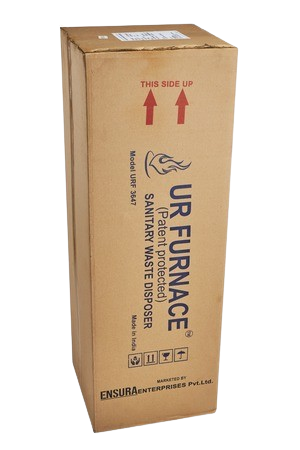
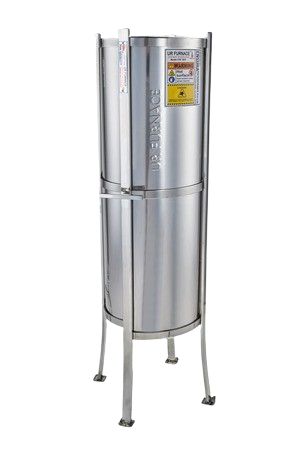
Temperature
The temperature generated is a function of the heating value of the waste and auxiliary fuel,
incinerator or burn unit design, air supply and combustion control. Complete combustion requires
high temperatures. Generally, temperatures that exceed 650°C with a holding time of 1-2 minutes will
cause complete combustion of most common household dry waste. Segregation of waste is required when
using this apparatus. When high temperatures are achieved, waste will be burned completely, and ash,
smoke, and pollutant concentrations are minimized. However, it may be necessary to employ continuous
feed for keeping the temperature steady and efficiently.
Turbulence
The turbulent mixing of burnable gases with sufficient oxygen is needed to promote good contact
between the burning waste and incoming air. This will help in achieving the high temperatures at
which waste can be completely burned. The amount of mixing is influenced by the shape and size of
the burn chamber and how the air is injected. Passive under-fire ventilation achieved during open
burning does not result in sufficient turbulence for burning a wide variety of waste. Also, it is
important not to overfill the burn chamber as airflow may be blocked and the amount of turbulence
further reduced. The more advanced incineration design provides effective turbulence through the
forced introduction of air directly into hot zones. The heating value, wetness, and chemical
properties of the waste affect the combustion process. The higher burn temperature and turbulence
that are achieved will result in complete burning and the elimination of odor and smoke.
Things to Remember
Burn only dry feedstock and periodically add additional waste to the fire to maintain high burn
temperatures until all waste has been destroyed. Desired operating temperature will be achieved as
quickly as possible when operating this device.
A rapid 'start-up' can be achieved by first loosely loading dry paper and successively paperboard
packing, coconut shells, and untreated wood into the device. Dry, loosely loaded material will
ignite more quickly and burn more evenly than a wet, tightly packed load. Wet waste should only be
added after the fire is actively burning. Overfilling the burn chamber will prevent the turbulent
mixing of burnable gases and oxygen and should be avoided.
Location and Installation: Locate the furnace in a place predominantly downwind of
the site or burn only on days when the wind is light and blowing away from the site. Ensure the burn
barrel is located on gravel, rocky outcrop, or other area free of combustible materials and
vegetation to avoid accidentally starting a tundra fire. The 'exhaust gas to combustion air' ratio
is particularly important to achieving the maximum burn rate.